

Active Methodologies in Physiology Teaching/Learning - Workshop 1
Overview: This workshop aims to promote active and collaborative learning strategies in physiology, including flipped classroom, peer instruction, game-based learning, and dialogic lectures. Participants will receive preparatory videos on cardiac physiology with embedded questions, applying the flipped classroom approach. The workshop will begin with a quiz to demonstrate peer instruction, followed by an activity illustrating game-based learning. Scientific evidence on the effectiveness of these methodologies will be presented, focusing on student perceptions, learning outcomes, and impacts on pre-exam stress and anxiety. The second part of the workshop will feature a dialogic lecture centered on the discussion of a scientific article.
Biography: Senior physiologist and educator at UNICAMP (Brazil). Specialized in neuroscience applied to education, Fernanda has built a long-standing career in physiology and biophysics, combining research with innovative physiology education approaches. Her work includes highly cited publications, leadership in national and international teaching committees, and extensive graduate supervision. Distinguished with multiple awards recognizing excellence in research, teaching innovation and academic leadership.
Brain-Computer Interfaces for Communication and Motor Neurorehabilitation - Workshop 2
Overview: This workshop introduces the principles of brain-computer interfaces (BCIs) and highlights recent advances in both invasive and non-invasive technologies and their main application domains. We will then shift to a conceptual and hands-on perspective, focusing on the implementation of non-invasive, electroencephalography (EEG)-based BCIs in two clinical contexts: 1) assistive communication for people with amyotrophic lateral sclerosis (ALS), including those in locked-in syndrome (LIS), and 2) motor neurorehabilitation for stroke survivors. The session will include a live practical demonstration of EEG-BCI interfaces, illustrating key steps from signal acquisition to real-time decoding and feedback.
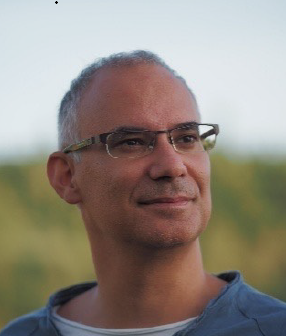
Biography: Gabriel Pires leads the Brain-Computer Interface (BCI) research group at the Institute of Systems and Robotics (ISR), University of Coimbra. With over 15 years of experience developing BCIs for clinical and non-clinical applications, he has contributed to advancing both the scientific understanding and real-world deployment of neural interfaces. He is also a collaborating researcher at the Biomedical Imaging and Translational Research Center (CIBIT), University of Coimbra, and leads the VITA.IPT Laboratory – Life Assisted by Intelligent Environments – at the Polytechnic Institute of Tomar (IPT). He is a faculty member in IPT’s Engineering Department, where he teaches Signal Processing and Machine Learning..

Driving Animal-free Innovations - Workshop 3
Overview: This workshop explores how education can accelerate the transition from animal research to animal-free innovations by fostering dialogue and collaboration between different viewpoints. After a brief introduction to the scientific and ethical dimensions of the transition, participants engage in two hands-on activities. First, a Dilemma Line exercise allows them to physically position themselves on key statements and discuss the reasoning behind their choices. Then, in a co-creation session, mixed groups design small educational interventions that support ethical reflection and collaboration. The workshop concludes with personal action steps, highlighting education’s essential role in shaping humane and innovative research practices.
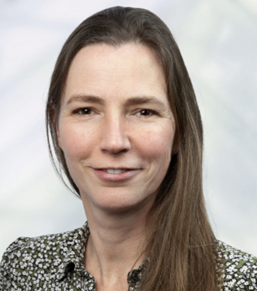
Biography: Learning innovator – Education coordinator Heart Center Amsterdam UMC – Coordinator of the Academic Development Track Medicine UvA – Lead Education-Amsterdam Transition Animal-free Innovations – Research Policy Support Officer Laboratory Animals and Alternatives, Amsterdam UMC
Physiology Amsterdam UMC
AI in Higher Education and Research - Workshop 4
Overview: We address the use of Artificial Intelligence, particularly generative language models, in higher education and scientific research. The goal is to equip participants for critical, responsible, and effective use of AI across different stages of academic work, from formulating research questions to analyzing, synthesizing, and communicating results. The session has a strong hands-on focus, with practical exercises based on real cases, exploring prompt engineering strategies, critical evaluation of outputs, and the identification of limitations, risks, and best practices in the use of these tools.
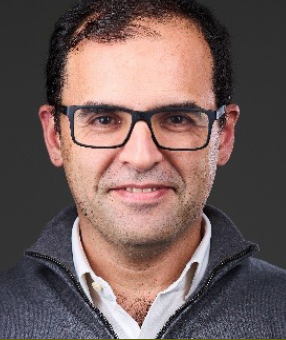
Biography: Experienced educator, author of more than 300 publications in health informatics. Participated in the implementation of several clinical information systems, being the co-founder of the spin-offs HLTSYS, VirtualCare, OpVance, and PDH, as well as the Ciência e Letras school. His current work focuses on studying the impact of large language models, such as ChatGPT, on higher education and healthcare, promoting their critical and responsible use.
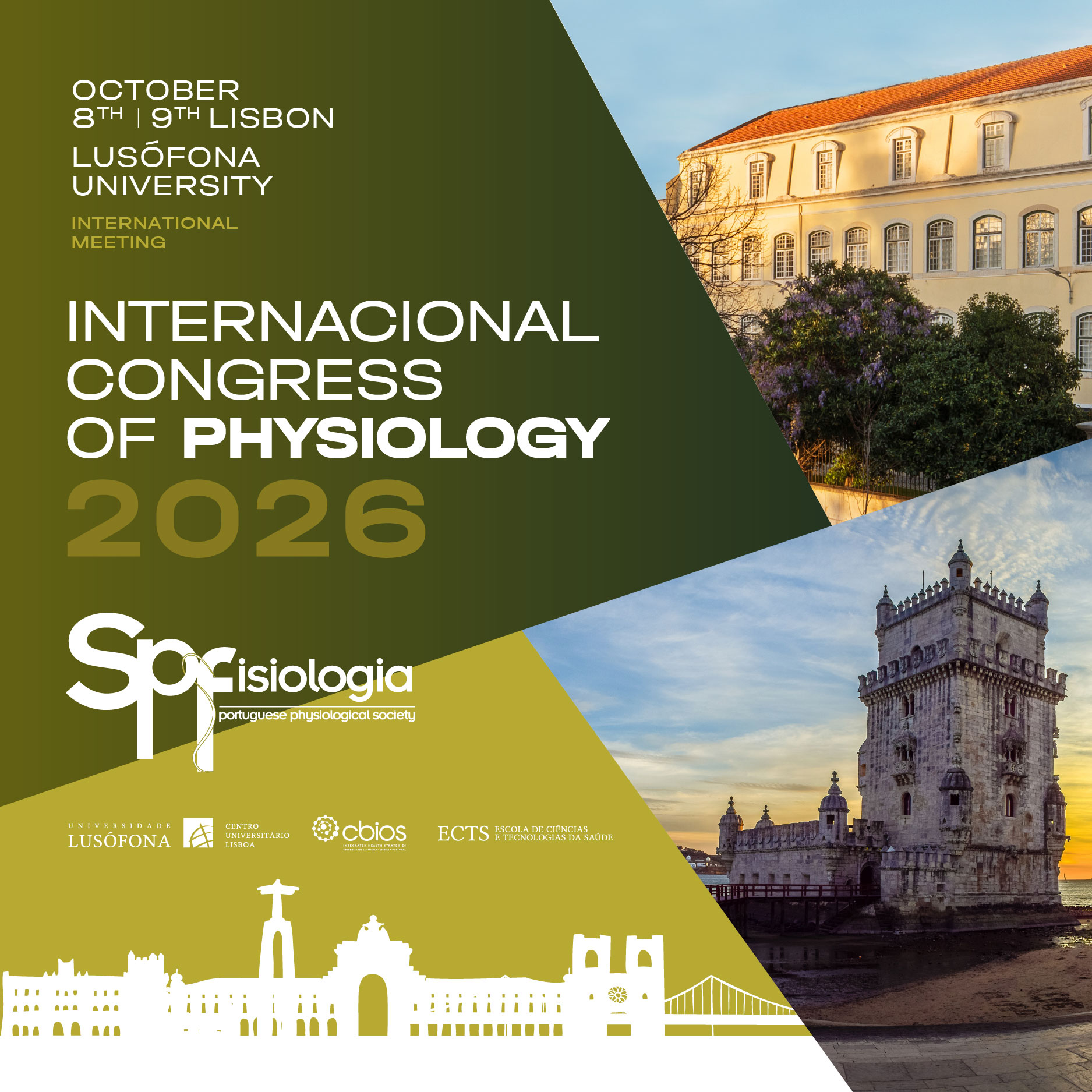
4th International Congress - SPF
8 - 9 October 2026